Choosing the right intruder alarm installation company is an important step towards protecting your home or business from burglary and unauthorised access. A professionally installed security system can help detect suspicious activity, alert property owners to potential threats, and provide greater peace of mind. However, with different security companies, alarm systems, and installation options available, finding the right provider can be challenging.
Whether you need a new alarm system for your home, office, retail store, or commercial premises, it is important to choose experienced professionals who understand your security requirements. From checking industry accreditations and comparing installation costs to reviewing customer feedback, several factors can help you make an informed decision.
If you are searching for reliable intruder alarm installation services in London or Harrow, understanding what to look for can help you choose a suitable security provider. In this guide, we explain the key considerations when selecting professional intruder alarm installers and how AY Security Systems can help improve your property’s security.
Why Professional Intruder Alarm Installation is Important
An intruder alarm system is an essential part of a property’s security arrangements. It helps identify unauthorized entry and alerts occupants or designated contacts when suspicious activity is detected. However, the effectiveness of an alarm depends on selecting suitable equipment and installing it correctly.
Professional intruder alarm installation offers several benefits:
- Improved Property Protection: Properly positioned sensors and detectors help identify potential intrusions through vulnerable entry points.
- Correct System Configuration: Professional installers configure alarm components according to the property’s layout and security requirements.
- Reduced False Alarms: Appropriate sensor placement and system configuration can help minimise unnecessary alarm activations.
- Suitable Security Solutions: Experienced installers can recommend wired, wireless, or smart alarm systems based on your needs.
- Long-Term Reliability: Professional installation helps ensure that the system operates correctly and that its components communicate effectively.
- Additional Security Integration: Intruder alarms can often be integrated with CCTV cameras and door access control systems for more comprehensive protection.
Investing in professional installation helps ensure your security system is selected and configured to provide appropriate protection.
7 Things to Consider When Choosing Intruder Alarm Installation Services Near You
Finding a suitable security company involves more than comparing prices. You should evaluate the provider’s experience, qualifications, installation approach, and ongoing support before making a decision.
Here are seven important factors to consider when choosing intruder alarm installation services.
1. Check Experience and Industry Expertise
Experience is one of the first things to consider when comparing intruder alarm companies. An experienced installer understands different security challenges and can recommend suitable systems for various property types.
Before choosing a provider, check whether they have experience with:
- Residential intruder alarm installation.
- Commercial intruder alarm installation.
- Wired and wireless security systems.
- Alarm upgrades and replacement installations.
- Security solutions for offices, shops and warehouses.
You should also ask about previous installation projects and the types of properties they regularly work with. This can help you understand whether the company has the technical knowledge required for your particular security needs.
2. Verify Certifications and Industry Standards
Professional qualifications and industry accreditations can help you assess the credibility of a security installation company. In the UK, recognised industry bodies such as the National Security Inspectorate (NSI) and the Security Systems and Alarms Inspection Board (SSAIB) provide certification schemes for security service providers.
When comparing intruder alarm installers, consider checking:
- Relevant company accreditations and certifications.
- Installer training and technical qualifications.
- Compliance with applicable British and European standards.
- Installation and commissioning procedures.
- Whether the company can provide documentation after installation.
For example, the BS EN 50131 series covers requirements for intruder and hold-up alarm systems. Checking whether the proposed equipment and installation meet relevant standards can help you make a more informed decision.
3. Compare Installation Services and Security Solutions
Every property has different security requirements. A small residential property may need a straightforward alarm system, while a commercial building may require multiple sensors, monitored alarms and integrated security equipment.
Before selecting a company, check the range of services it offers.
A professional security provider may offer:
- Wired intruder alarm installation.
- Wireless intruder alarm installation.
- Smart security alarm systems.
- Burglar alarm installation services.
- Security system upgrades.
- Alarm maintenance and repairs.
- CCTV installation services.
- Door access control system installation.
Choosing a company that offers multiple security solutions can make it easier to manage different aspects of your property’s protection through one provider.
4. Read Customer Reviews and Testimonials
Customer feedback provides useful information about a company’s service quality and installation experience. Before hiring an installer, check online reviews to understand how previous customers describe their experience.
Look for feedback relating to:
- Professionalism and communication.
- Quality of installation work.
- Punctuality and project completion.
- Technical knowledge and recommendations.
- After-installation support.
- Overall customer satisfaction.
Google reviews, testimonials, and independent business directories can help you compare different providers. Rather than relying only on star ratings, read individual reviews to identify consistent patterns in customer experiences.
5. Ask About Installation Costs and Quotations
The cost of an intruder alarm system depends on several factors, including property size, equipment type, the number of sensors, and installation complexity.
For example, installing a basic wireless alarm in a small property may involve different requirements compared with a wired system for a large commercial building.
When requesting quotations, ask whether the price includes:
- Alarm control panel and keypad.
- Door and window sensors.
- Motion detectors.
- Sirens and warning devices.
- Installation and configuration.
- System testing and commissioning.
- Maintenance or ongoing support, where applicable.
It is worth comparing quotations from multiple intruder alarm companies. However, choosing the cheapest option is not always the best decision. Consider the quality of the equipment, installation expertise, and support included in the overall price.
6. Check Maintenance and After-Installation Support
Installing an alarm system is only one part of maintaining property security. Regular testing and appropriate maintenance help ensure that the equipment continues to operate as intended.
Before choosing an installation provider, ask about its maintenance and support services.
A suitable maintenance arrangement may include:
- Routine system inspections.
- Sensor and detector testing.
- Battery condition checks.
- Control panel testing.
- Fault diagnosis and repairs.
- System upgrades and replacements.
You should also understand how technical support is provided if the alarm develops a fault. Reliable after-installation assistance can help reduce downtime and maintain the effectiveness of your security arrangements.
7. Choose a Local Security Installation Company
Working with a local provider can make communication, property assessments, and installation arrangements more convenient. Local alarm installation services may also have experience working with different property types and security requirements in your area.
If you are based in London or Harrow, look for companies that clearly explain their service coverage and installation capabilities.
Before making a decision, confirm:
- Whether the company covers your location.
- Whether it offers residential and commercial installations.
- How property assessments are arranged.
- Whether maintenance and technical support are available.
- Whether the company can provide a detailed installation quotation.
Choosing a suitable local provider can help make the entire installation process more straightforward.
Interesting Read: 10 Must-Have Features in a Modern Intruder Alarm System
Different Types of Intruder Alarm Systems for Homes and Businesses
Choosing the right alarm system is important because different properties require different levels of security. Factors such as building layout, access points, occupancy, and security risks should be considered before selecting an installation.
Here are some common types of intruder alarm systems to consider.
1. Wired Intruder Alarm Systems
Wired alarm systems use physical cables to connect sensors, detectors, and the main control panel. They are commonly considered for properties where permanent security installations are suitable.
Some benefits include:
- Stable communication between connected components.
- No individual wireless signal batteries for wired sensors.
- Suitable for larger properties and planned installations.
- Reliable operation when installed and maintained correctly.
However, installation may require additional cabling work, particularly in buildings that are already occupied or fully furnished.
2. Wireless Intruder Alarm Systems
Wireless alarm systems connect sensors and other components to the control panel using wireless communication. They are often suitable for existing homes, offices, and properties where installing cables would be inconvenient.
Their advantages include:
- Flexible sensor placement.
- Less installation disruption.
- Easier system expansion in many setups.
- Options for remote monitoring and smartphone notifications.
Wireless devices generally rely on batteries, so regular battery checks and maintenance are important.
3. Smart Intruder Alarm Systems
Smart alarm systems allow users to monitor and control compatible security equipment through mobile applications or connected devices.
Depending on the system, features may include:
- Mobile notifications when an alarm is triggered.
- Remote setting and disarming.
- Activity alerts and system status updates.
- Integration with compatible smart home equipment.
- Remote access to selected security functions.
These systems can be useful for people who want greater visibility of their property security while away from home or work.
4. Monitored Intruder Alarm Systems
Monitored alarm systems connect to an Alarm Receiving Centre (ARC), where alarm signals can be assessed and handled according to the agreed monitoring arrangement.
Depending on the service, the monitoring centre may contact nominated keyholders, a response company or the police when the required conditions are met.
If you require police response, ask the installer about the relevant certification, monitoring arrangements and requirements for obtaining a Police Unique Reference Number (URN). Police response is not automatically provided with every monitored alarm system.
Residential vs Commercial Intruder Alarm Installation
Residential and commercial properties have different security requirements. Selecting an appropriate alarm system involves considering the property’s layout, number of entry points, occupancy patterns, and potential security risks.
1. Home Intruder Alarm Installation
Home intruder alarm installation helps protect houses, flats and other residential properties against unauthorised entry. A suitable system can detect movement or access through vulnerable areas and alert occupants when suspicious activity occurs.
Common residential security features include:
- Door and window contact sensors.
- Internal motion detectors.
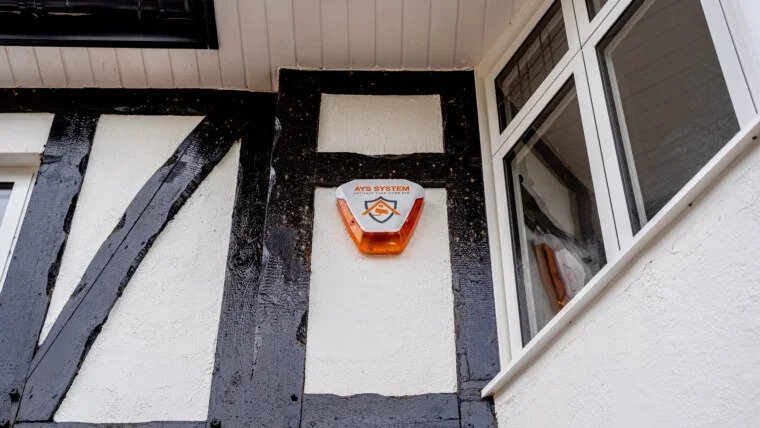
- External sirens and warning devices.
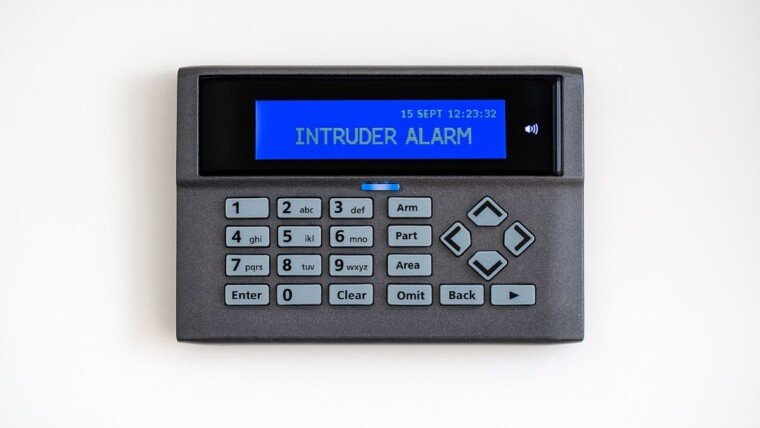
- Alarm control panels and keypads.
- Smartphone notifications through compatible systems.
- Remote monitoring options.
When choosing a home alarm, consider the number of rooms, accessible windows, entrances, and areas that require additional protection. A professional installer can assess these factors and recommend a suitable system.
2. Commercial Intruder Alarm Installation
Businesses often require more extensive security arrangements because their premises may contain valuable equipment, stock, confidential information, and restricted areas.
Commercial intruder alarm installation can help protect offices, retail stores, warehouses, industrial buildings and other business premises.
Depending on the property’s requirements, a commercial alarm system may include:
- Multiple detection zones.
- Motion sensors and perimeter protection.
- Access control integration.
- CCTV integration.
- Remote monitoring arrangements.
- Different access permissions for authorised staff.
- Security arrangements for out-of-hours periods.
A properly assessed commercial security system can help businesses monitor their premises and manage access more effectively. The system should be selected according to the property’s risk profile and operational requirements.
Interesting Read: How Intruder Alarms Protect Your Business After Hours
Why Choose Professional Intruder Alarm Installation in London and Harrow?
Finding a security provider that understands your location and property requirements can make the installation process easier. London and Harrow have different types of residential and commercial buildings, each with its own security considerations.
For example, a residential property may require protection around doors, windows, and accessible entry points, while an office or retail premises may need multiple alarm zones and access management.
When searching for intruder alarm installation in London, consider providers that can offer:
- Property Security Assessments: An assessment helps identify vulnerable entry points and determine the most appropriate alarm configuration.
- Residential and Commercial Solutions: Choose systems that match the security requirements of your property.
- Professional Installation: Correct positioning and configuration of alarm components help support reliable system operation.
- System Testing: Installation should include appropriate testing and a demonstration of how to operate the alarm.
- Maintenance and Technical Support: Ongoing assistance helps address faults and maintain system performance.
If you are looking for an intruder alarm system installation in Harrow, check whether the provider covers your area and can arrange an assessment based on your property’s specific requirements.
Rather than choosing a company based only on its location or advertised prices, compare its experience, qualifications, equipment, and installation process.
Additional Security Services to Consider Alongside Intruder Alarms
An intruder alarm is an important part of property protection, but combining it with other security solutions can provide a more comprehensive approach. Depending on your requirements, you may want to consider additional security installations.
1. CCTV Installation Services
CCTV cameras help monitor activities around your property and provide recorded footage that may be useful when investigating security incidents.
Professional CCTV installation services can help determine suitable camera positions, coverage areas, and recording requirements.
Common applications include:
- Monitoring entrances and exits.
- Keeping an eye on car parks and outdoor areas.
- Monitoring offices, shops, and warehouses.
- Recording activity around vulnerable access points.
- Integrating compatible CCTV equipment with alarm systems.
2. Door Access Control System Installation
A door access control system helps businesses manage who can enter specific areas of their premises. Instead of relying entirely on traditional keys, access can be controlled through compatible cards, PIN codes, mobile credentials, or other authentication methods.
Door access control system installation may be suitable for:
- Office buildings.
- Commercial premises.
- Warehouses and storage facilities.
- Restricted work areas.
- Buildings with multiple authorised users.
These systems can help businesses manage employee access and improve visibility over entry activity.
3. Burglar Alarm System Installation
Burglar alarm systems are designed to detect unauthorised access and activate an alert when specific security conditions are met. Depending on the equipment, they may use door contacts, motion detectors, glass-break sensors and other detection devices.
When comparing burglar alarm system installation services, consider the property’s size, potential entry points and the level of monitoring required.
Integrated Security System Installation
Combining intruder alarms, CCTV and access control can help create a coordinated security arrangement.
For example, an alarm system may detect unauthorized entry, while CCTV provides visual information about the incident. Access control can help manage entry permissions for employees and visitors.
The right combination depends on your property’s security risks, operational needs, and available budget.
Why Choose AY Security Systems for Intruder Alarm Installation?
Choosing a suitable security installation provider is an important investment in your property’s protection. AY Security Systems offers professional security system installation services in London for residential and commercial premises in London and Harrow, helping customers explore suitable security solutions based on their property requirements.
When discussing your installation requirements, look for solutions that address your property’s specific security needs rather than relying on a standard setup for every building.
Whether you need a new intruder alarm, an upgrade to an existing system, or additional security equipment, consider the following before proceeding:
- Your Security Requirements: Identify the areas that need protection and the level of security you expect.
- Suitable Alarm Equipment: Compare available alarm options based on your property and budget.
- Professional Installation: Ensure the installation includes appropriate positioning, configuration, and system testing.
- Additional Security Options: Consider CCTV and door access control where they are relevant to your property.
- Ongoing Support: Understand the maintenance arrangements and assistance available after installation.
AY Security Systems can be contacted to discuss your security requirements and explore suitable installation options.
Protect Your Property with Professional Intruder Alarm Installation
Choosing the right intruder alarm system starts with understanding your property’s security requirements and finding an experienced installation provider. From checking industry qualifications and comparing equipment to reviewing installation costs and maintenance arrangements, taking the time to evaluate your options can help you make a better decision.
Whether you need home intruder alarm installation, commercial security solutions, or an integrated system with CCTV and access control, professional guidance can help you select suitable equipment for your premises.
If you are looking for professional intruder alarm installation services in London or Harrow, contact AY Security Systems to discuss your security requirements and explore suitable solutions for protecting your property.
Frequently Asked Questions
1. How much does intruder alarm installation cost in London?
The cost depends on the property size, alarm type, number of sensors, and installation complexity. Additional features such as remote monitoring, CCTV integration, and access control may also affect the overall price. Requesting a property assessment and detailed quotation can help you understand the costs involved.
2. How long does it take to install an intruder alarm system?
Installation time depends on the type of alarm, property layout, and number of components. A basic wireless system may take less time to install than a complex wired system covering a large commercial building. Your installer should provide an estimated timeframe before starting the work.
3. What is the best intruder alarm system for a home?
The best system depends on your property’s layout, security requirements, and budget. Wireless alarms are often suitable for existing homes, while wired systems may be appropriate for properties undergoing renovation. Smart and monitored alarms offer additional features for remote notifications and security management.
4. Should I choose a wired or wireless intruder alarm?
Wired alarms use physical connections between components, while wireless systems communicate through wireless signals. Wired systems may suit planned installations, whereas wireless options can offer greater flexibility and less disruption. Consider installation requirements, maintenance, and system features before choosing.
5. Do I need professional intruder alarm installation?
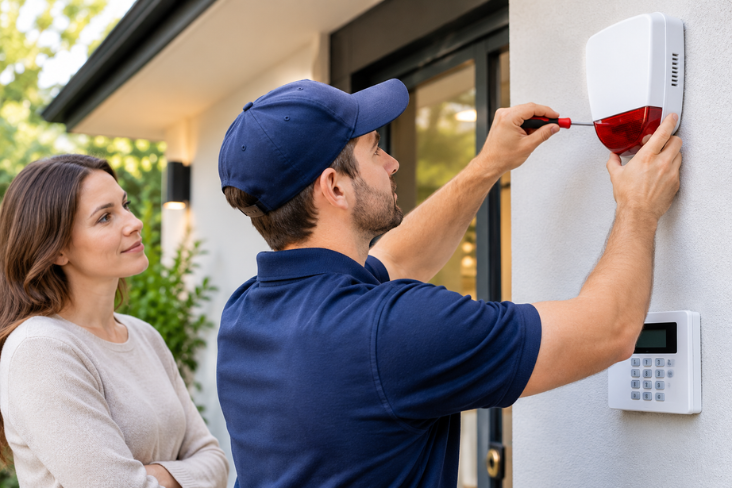
Professional installation helps ensure that sensors, detectors and control panels are positioned and configured correctly. An experienced installer can assess vulnerable entry points, recommend suitable equipment, test the system and explain how to operate it.
6. How often should an intruder alarm system be serviced?
The servicing frequency depends on the alarm system, manufacturer recommendations, monitoring arrangements and applicable standards. Regular inspections help identify faulty sensors, battery issues and communication problems. Ask your installer to recommend an appropriate maintenance schedule.
7. Can an intruder alarm system be connected to CCTV?
Yes, compatible intruder alarm systems can be integrated with CCTV equipment. This combination allows property owners to receive alarm notifications and use camera footage to understand what may have triggered an alert. The available integration features depend on the equipment and system configuration.
8. How do I find reliable intruder alarm installers near me?
Start by researching local security companies, checking their experience, verifying relevant industry accreditations, and reading customer reviews. Compare installation quotations and ask about maintenance and technical support. Choose a provider that understands your security requirements and can recommend a suitable system.
9. Do intruder alarm systems require regular maintenance?
Yes. Regular maintenance helps ensure that alarm components, sensors, batteries and control panels continue to operate correctly. It can also help identify faults and reduce the likelihood of false alarms. Monitored systems may have additional maintenance requirements.
10. Do you provide intruder alarm installation in Harrow and London?
If you are considering intruder alarm installation in Harrow or London, contact AY Security Systems to discuss your property requirements and confirm service availability. You can explore suitable security installation options for residential and commercial premises.