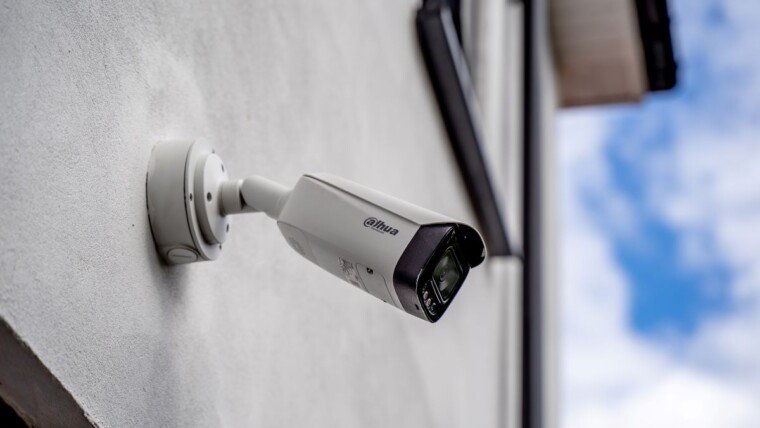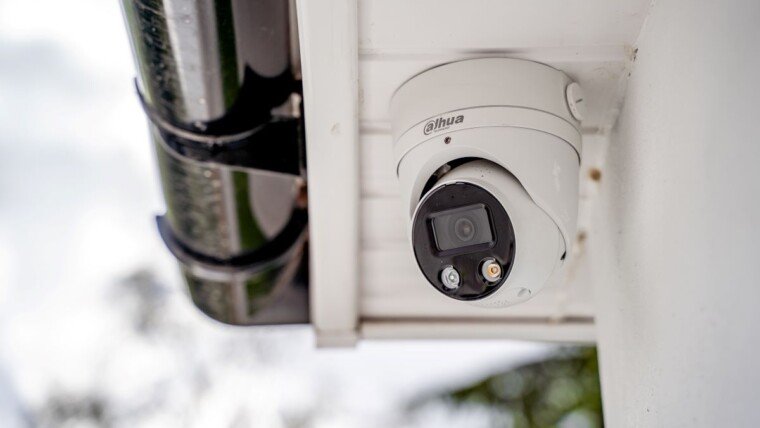
Home security is an important consideration for protecting family members, personal belongings, and property. As homeowners look for practical ways to improve safety, CCTV installation has become an effective solution for monitoring entrances, driveways, gardens, and other vulnerable areas. A well-planned surveillance system provides visibility around the property, helps deter potential intruders, and records footage that may assist with security investigations. Modern technology also lets homeowners view live camera feeds remotely and receive alerts about detected activity.
At AY Security Systems, we understand the importance of selecting suitable security equipment and ensuring reliable coverage. Our professional CCTV installation services in London and Harrow help homeowners develop security solutions tailored to their properties, daily routines, and individual protection requirements.
How Does CCTV Installation Improve Home Security?
A professionally installed CCTV system strengthens home security by providing continuous surveillance of important areas and helping homeowners identify unusual activity. Strategically positioned cameras allow property owners to monitor entrances, rear doors, garages, side passages, and outdoor spaces that may otherwise remain difficult to observe.
Modern CCTV systems can record video continuously or activate recording when motion is detected, depending on their configuration. This footage allows homeowners to review incidents and establish a clearer understanding of what happened around their property. When combined with appropriate lighting, secure locks, and an intruder alarm, surveillance cameras can form an important part of a comprehensive home security strategy.
1. Deterring Potential Burglars and Intruders
Visible CCTV cameras can discourage opportunistic burglars who prefer properties with fewer security measures. Cameras placed near entrances and other accessible areas communicate that activity may be recorded, potentially encouraging intruders to avoid the property. Although CCTV cannot guarantee that a burglary will be prevented, it can contribute to a stronger visible security presence.
2. Monitoring Entry Points and Vulnerable Areas
Front doors, rear entrances, ground-floor windows, garages, and garden gates can create security vulnerabilities. Correctly positioned cameras provide additional visibility around these areas, helping homeowners monitor movement and identify unexpected visitors. Coverage should be planned according to the property’s layout rather than simply installing cameras wherever they are easiest to mount.
3. Recording Footage for Security Investigations
Recorded footage may help establish the timing and circumstances of a security incident. Depending on image quality, camera positioning, lighting, and recording settings, it may capture useful details about people, vehicles, or movement around the property. Securely stored recordings can also support discussions with the police or insurers when relevant.
Key Benefits of Installing CCTV Cameras at Home
Installing CCTV cameras offers several practical advantages beyond basic surveillance. A suitable system gives homeowners greater visibility, supports day-to-day property management, and provides additional information when unexpected activity occurs.
1. 24/7 Property Monitoring
CCTV systems can monitor a property throughout the day and night, depending on their power supply, recording configuration, and equipment capabilities. Continuous recording can help capture activity outside normal household routines, while motion-triggered recording can focus storage on detected movement. Homeowners should select recording settings that suit their security priorities and available storage capacity.
2. Remote Viewing Through Smartphones
Many modern CCTV systems offer remote monitoring through a smartphone application or web interface. After the system is configured and securely connected to the internet, homeowners can view live camera feeds while away from home. This feature is particularly useful during holidays, business trips, or long working hours.
Remote access may also allow users to review recorded footage, receive motion notifications, and check specific areas when necessary. Reliable internet connectivity and secure account settings are essential for keeping this functionality dependable.
3. Improved Night-Time Security
Outdoor cameras with infrared night vision or suitable low-light sensors can monitor areas after dark. This is valuable for entrances, driveways, side passages, and gardens where visibility may be limited. The effectiveness of night-time footage depends on lighting conditions, camera specifications, installation height, and the distance between the camera and the area being monitored.
Additional lighting may improve image clarity and help cameras capture useful details when movement occurs.
4. Monitoring Deliveries, Visitors, and Driveways
CCTV cameras can help homeowners see when delivery drivers arrive, visitors approach the front door, or vehicles enter the driveway. Depending on the system, homeowners may be able to review recorded activity or receive notifications when movement is detected.
A camera positioned near the front entrance can also provide useful visibility when homeowners cannot immediately answer the door. However, cameras should be positioned carefully to avoid unnecessary intrusion into neighbours’ private spaces.
5. Greater Peace of Mind for Homeowners
Knowing that important areas are being monitored can provide reassurance, especially when a property is unoccupied. Homeowners can check camera feeds remotely, review unexpected activity, and make informed decisions about potential security concerns.
The greatest benefit comes from combining reliable surveillance equipment with appropriate installation, secure access controls, and regular maintenance. CCTV should complement other protective measures rather than replace them.
Interesting Read: What Features Should You Look for in a Home CCTV System?
Why Professional CCTV System Installation Matters
The effectiveness of a CCTV system depends on more than camera quality. Installation decisions influence the areas monitored, image clarity, recording reliability, and ease of use. Professional installation helps ensure that equipment is selected and configured according to the property’s specific security requirements.
1. Choosing the Right Camera Locations
Our installation planning considers entrances, access routes, outdoor spaces, and areas where additional visibility may be beneficial. Camera placement should provide useful views without unnecessary obstructions from walls, trees, vehicles, or other objects. Appropriate mounting heights and viewing angles also help improve the usefulness of recorded footage.
2. Reducing Blind Spots Around Your Property
Blind spots can leave important areas outside the camera’s field of view. A professional assessment helps identify coverage gaps around side entrances, rear gardens, garages, and other accessible locations. Depending on the property, overlapping camera views may improve coverage and reduce the likelihood of missing relevant activity.
3. Configuring Recording and Remote Access
Correct configuration ensures that cameras record according to the homeowner’s preferences. Installation may include setting recording schedules, motion detection, storage options, smartphone access, and notification preferences. Network security and user permissions should also be configured carefully to reduce the risk of unauthorised access.
4. Selecting a Reliable CCTV Installation Company
When choosing a CCTV installation company in Harrow, homeowners should consider experience, equipment suitability, installation standards, and aftercare support. A reliable installer should explain the proposed system, expected coverage, recording arrangements, and any limitations before work begins. Clear guidance helps homeowners understand how to operate and maintain their security equipment.
Choosing the Right CCTV System for Your Home
CCTV installation for smart homes requires careful consideration of property size, camera locations, lighting conditions, recording requirements, connectivity, and budget. A small flat may need a different setup from a detached house with a driveway, garden, garage, and multiple entrances. AY Security Systems can help homeowners choose suitable CCTV solutions with smart features, remote monitoring, and reliable connectivity to support their home security needs.
1. Wired vs. Wireless CCTV Cameras
Wired CCTV cameras generally use physical cabling to connect to recording equipment or a network. Depending on the system, this arrangement can provide a stable connection and centralised recording. Installation may involve more cable routing, particularly in existing properties.
Wireless CCTV cameras transmit video over a wireless network, although many still require a power source. They can offer greater flexibility in camera placement, but their performance depends on wireless signal strength, network reliability, and device specifications.
2. Indoor vs. Outdoor Security Cameras
Indoor cameras are designed for monitoring internal areas such as hallways and entrances. Outdoor cameras require suitable weather resistance and should be selected according to exposure to rain, dust, temperature changes, and other environmental conditions.
Homeowners should prioritise cameras that match the conditions in which they will operate.
3. Motion Detection and Night Vision
Motion detection can trigger recording or notifications when activity is identified. More advanced systems may distinguish between people, vehicles, and general movement, depending on the available technology. Night vision supports surveillance in low-light conditions, while additional illumination may improve image detail.
4. Smart CCTV Systems With Remote Monitoring
Smart CCTV systems connect cameras to applications or compatible security platforms. Features may include live viewing, playback, motion alerts, and integration with other connected devices. Before choosing a system, homeowners should check subscription requirements, data storage options, software support, and network compatibility.
Integrating CCTV With Other Home Security Systems
CCTV becomes more effective as part of a coordinated home security arrangement. Combining surveillance with alarms, sensors, suitable access controls, and automation can improve visibility and help homeowners respond more appropriately to security events.
1. How Alarm System Installation Enhances Home Protection
An intruder alarm can alert occupants or other designated contacts when a sensor detects activity that meets its configured trigger conditions. CCTV provides visual information that may help homeowners assess the situation. Together, these technologies offer complementary functions: the alarm generates an alert, while the cameras help show what may be happening.
Professional alarm system installation can help ensure that sensors are positioned appropriately and that the system operates according to the property’s security needs.
2. Combining CCTV With Home Automation Installation
Home automation service can connect compatible security devices with lighting, notifications, and other smart home functions. For example, configured automation may activate outdoor lighting when a sensor detects movement. Improved illumination can make outdoor spaces more visible and may support clearer CCTV footage.
The available functions depend on device compatibility, network connectivity, and the chosen automation platform.
3. Integrating Cameras, Smart Sensors, and Door Access
Door access control systems and window sensors can detect opening events, while motion sensors monitor activity in selected areas. Smart doorbells and compatible access systems can provide additional information about visitors. Integrating these devices with CCTV may help homeowners understand security events from multiple sources.
4. Benefits of a Connected Home Security System
A connected security system can make monitoring more convenient by bringing compatible devices into a single application or control platform. Homeowners may be able to review camera feeds, receive alerts, and check sensor activity from one interface. Careful configuration, secure passwords, software updates, and appropriate user permissions remain essential for protecting connected devices.
Why Homeowners Should Consider CCTV Installation
Properties across London and Harrow vary in layout, access arrangements, outdoor space, and security requirements. A flat with a shared entrance may need a different surveillance arrangement from a terraced house or detached property with a private driveway and garden. Selecting the right equipment requires an understanding of these differences.
Professional installers can assess the areas requiring coverage, identify potential blind spots, and recommend camera types that suit the property’s layout. They can also explain recording options, connectivity requirements, and installation considerations before work begins.
Home CCTV Installation : What to Consider
Homeowners should consider the number of entrances, the location of neighbouring properties, available lighting, network coverage, and the preferred recording method. Camera placement should also account for privacy and any shared access areas.
Finding a CCTV Installer
When comparing installers, review their experience with residential systems, equipment recommendations, installation process, and support arrangements. Ask whether the proposed system meets your recording and remote monitoring requirements and how its footage will be stored securely.
What to Expect From Professional Installation Services
A typical installation process may include an initial property assessment, equipment recommendations, camera positioning, cabling or network setup, system configuration, and operational testing. Homeowners should receive clear instructions on viewing footage, managing notifications, and maintaining the system.
Tips for Maintaining Your Home CCTV System
Regular maintenance helps keep a home surveillance system dependable and ensures that cameras continue to capture useful footage. Homeowners should establish a simple routine for checking equipment, recording functions, and account security.
1. Clean Camera Lenses and Check Camera Angles
Clean lenses carefully using suitable materials and check that camera views remain unobstructed. Trim vegetation when necessary and inspect mounting points for movement or damage.
2. Test Recording and Remote Viewing Regularly
Periodically confirm that cameras are recording, footage can be retrieved, and remote viewing works correctly. Check that storage is available and notifications operate as expected.
3. Update Software and Secure Account Access
Install relevant firmware and application updates. Use strong, unique passwords and enable multifactor authentication where available. Remove access for users who no longer need it.
4. Review Footage Retention and Privacy Settings
Set recording retention periods according to genuine security needs and available storage. Review privacy settings regularly and avoid retaining footage longer than necessary.
Interesting Read: Top 10 Mistakes to Avoid During Home CCTV Installation
Protect Your Home With Professional CCTV Installation
A well-planned CCTV system can strengthen home security by improving visibility, recording activity, and supporting remote monitoring. Choosing suitable cameras and configuring them correctly helps homeowners get more value from their investment.
AY Security Systems offers reliable security system installation services in Harrow, helping homeowners protect their properties with tailored security solutions. From professional CCTV installation services to integrated home security systems, our team can recommend options suited to your property’s needs. Contact us today to discuss your home security requirements and find the right solution.
Frequently Asked Questions About Home CCTV Installation
Is CCTV Installation Worth It for Home Security?
Yes, CCTV can improve property visibility, discourage opportunistic intruders, and provide recordings that may assist with investigating incidents. Its effectiveness depends on camera placement, system reliability, and other security measures.
How Much Does Home CCTV Installation Cost in London?
The cost depends on the number and type of cameras, cabling requirements, recording equipment, storage capacity, and installation complexity. Request a tailored quotation based on your property.
How Many CCTV Cameras Does a Home Need?
The number depends on the property’s size, entrances, layout, and potential blind spots. A property assessment can help determine suitable camera coverage.
Can I Monitor My CCTV Cameras Remotely?
Yes, many modern systems support smartphone or web-based monitoring when configured with a suitable internet connection and secure account access.
Do I Need Professional CCTV Installation Services?
Professional installation can help optimize camera positioning, reduce blind spots, configure recording correctly, and establish reliable remote access.
Can CCTV Cameras Work With an Alarm System?
Yes, compatible systems can complement one another. An alarm can generate alerts, while CCTV provides visual information about activity around the property.
Is CCTV Installation Legal for Residential Properties in the UK?
Homeowners can generally install CCTV on their property, but they should consider privacy rights and data protection responsibilities. If cameras capture areas beyond the property’s boundary, such as public spaces or neighbouring property, additional UK data protection obligations may apply. The Information Commissioner’s Office provides guidance on domestic CCTV use.